Pasture Reclamation
Oklahoma
Cedar and brush are eating your grazing land alive. Here's what reclamation actually looks like — and how fast your pasture comes back.
The scale of the problem
Oklahoma loses hundreds of thousands of acres of productive grassland to cedar and brush encroachment every year. The good news: cleared pasture recovers fast.
What Cedar Does to Pasture
Why Your Grazing Land Is Disappearing
Eastern red cedar is the single biggest threat to Oklahoma pastureland. It spreads by bird-dropped seed, grows fast, and once established it systematically destroys everything around it. A mature cedar stand consumes tens of thousands of gallons of water per acre per day — water that should be going to your grass, your ponds, and your livestock.
Beyond water consumption, cedar's dense canopy shades out native grasses and forbs entirely. Once a stand closes in, nothing grows underneath it — the ground goes bare, erosion begins, and the land stops producing forage entirely. Every year you wait, the problem gets larger and more expensive to fix.
The Recovery
How Fast Does Pasture Come Back After Clearing?
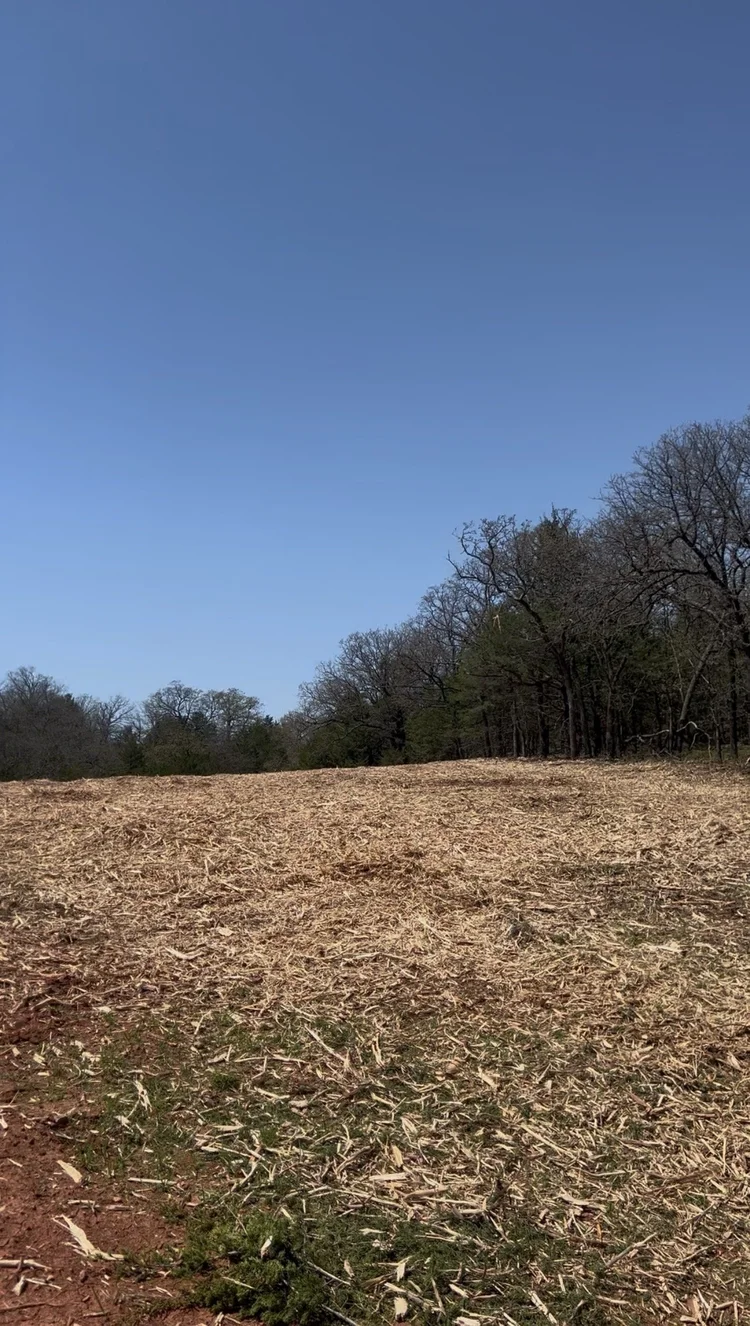
Faster than most landowners expect. Native Oklahoma grasses are remarkably resilient — they've been suppressed by cedar, not killed. Their root systems are still in the ground, waiting for light and water. Once the cedar canopy is removed, native grasses typically begin recovering visibly within weeks of clearing, and most landowners see significant forage recovery within one to two growing seasons.
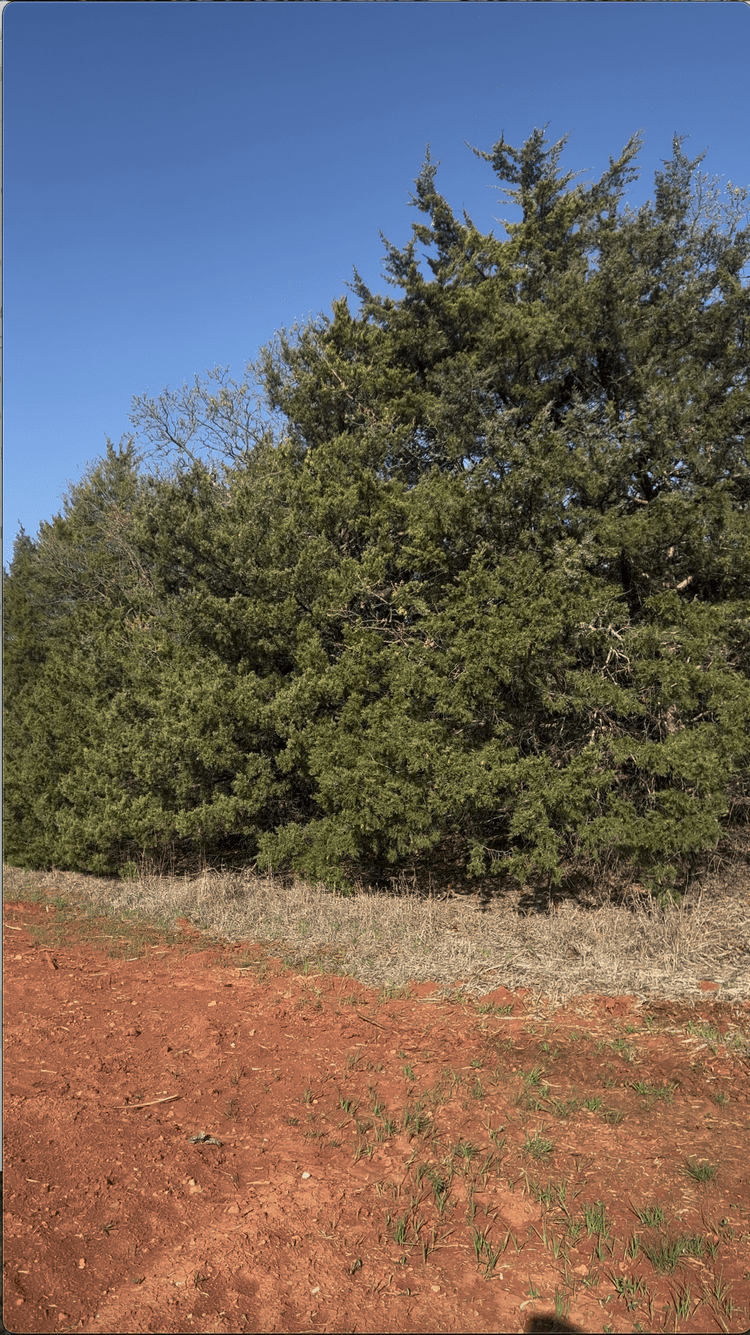
Clear cedar early — it's significantly cheaper than waiting.
A light cedar stand that's just starting to encroach costs a fraction of what a mature, dense infestation costs to clear. If you can see cedar spreading on your pasture right now, getting ahead of it saves real money and preserves more native grass in the process.
Why Mulching for Pasture
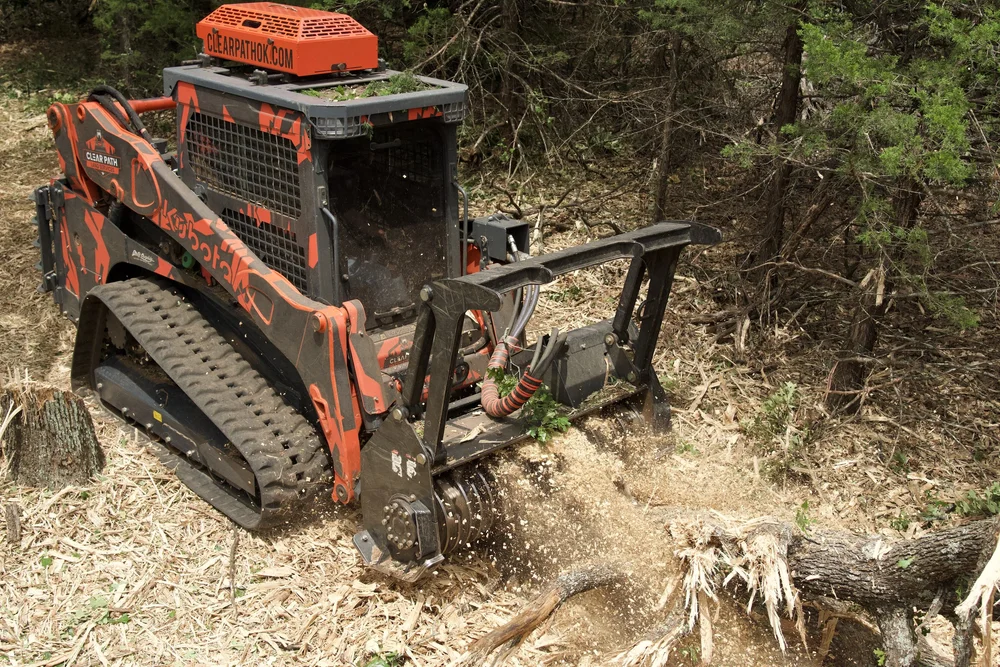
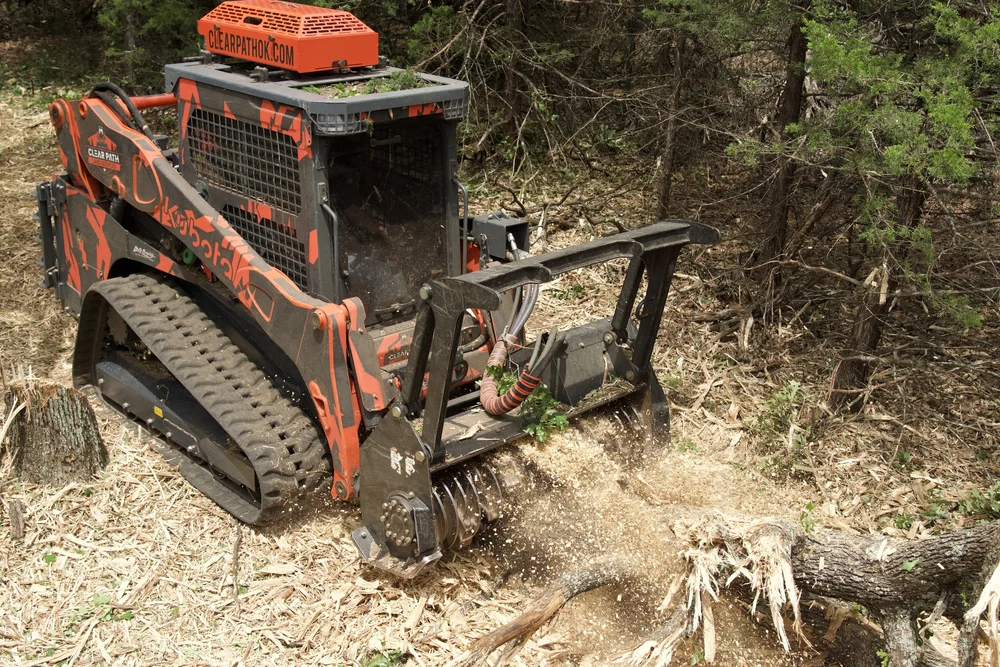
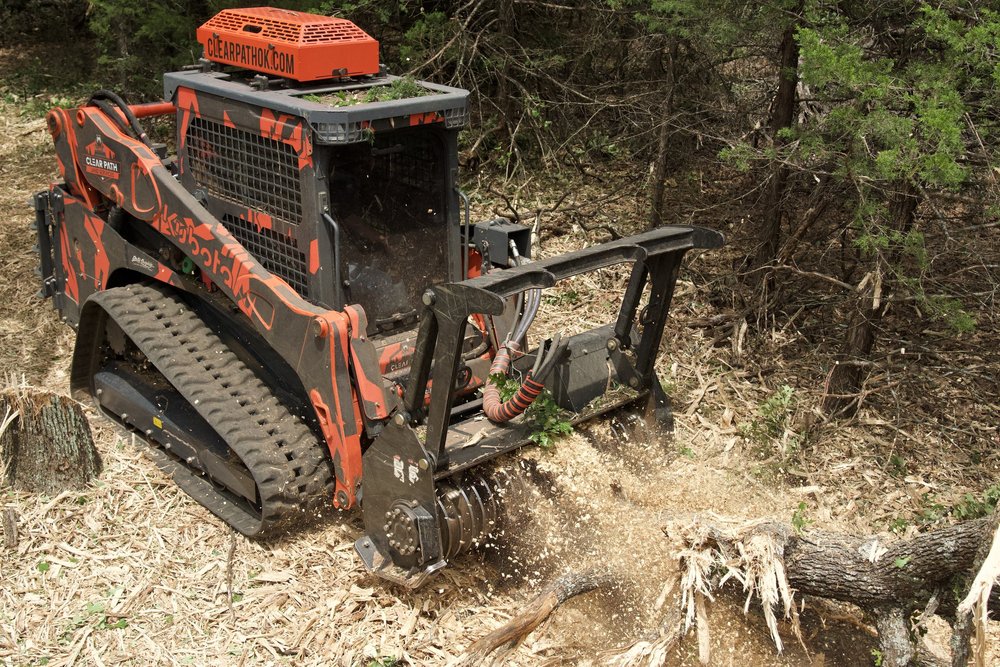
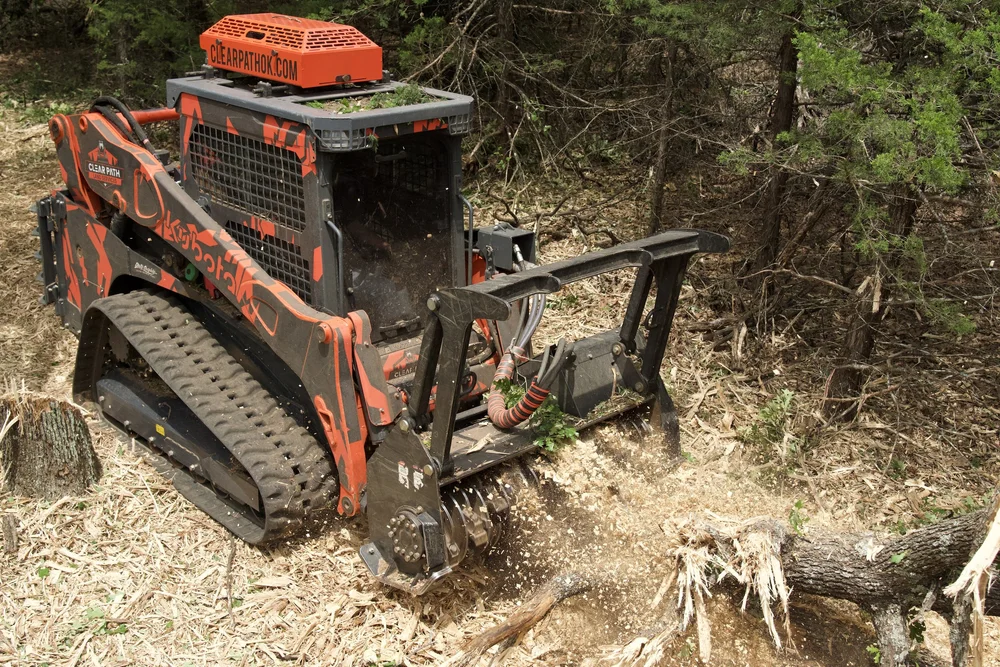
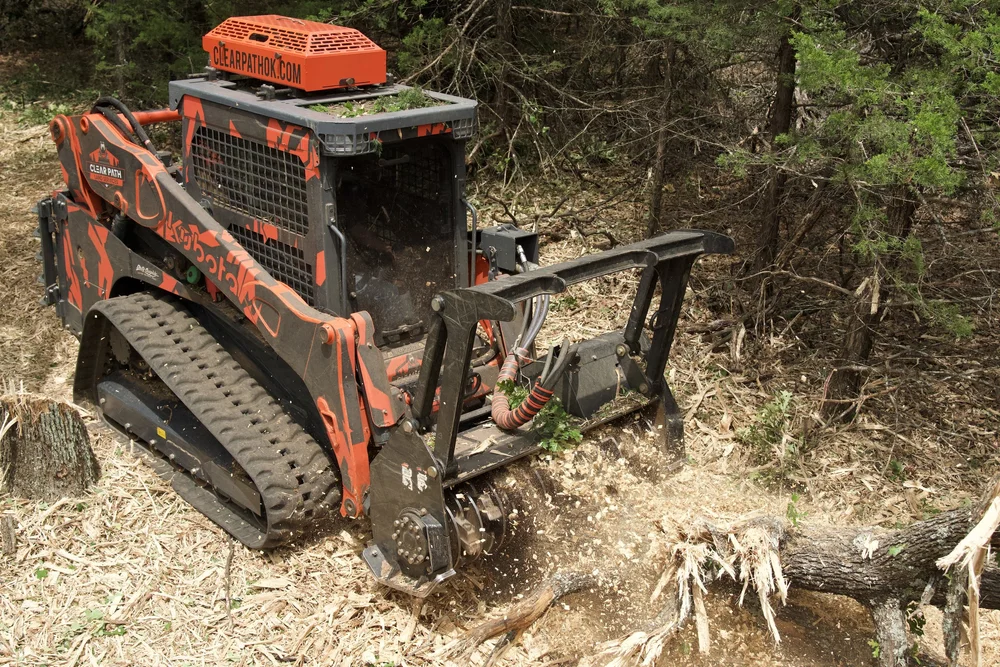
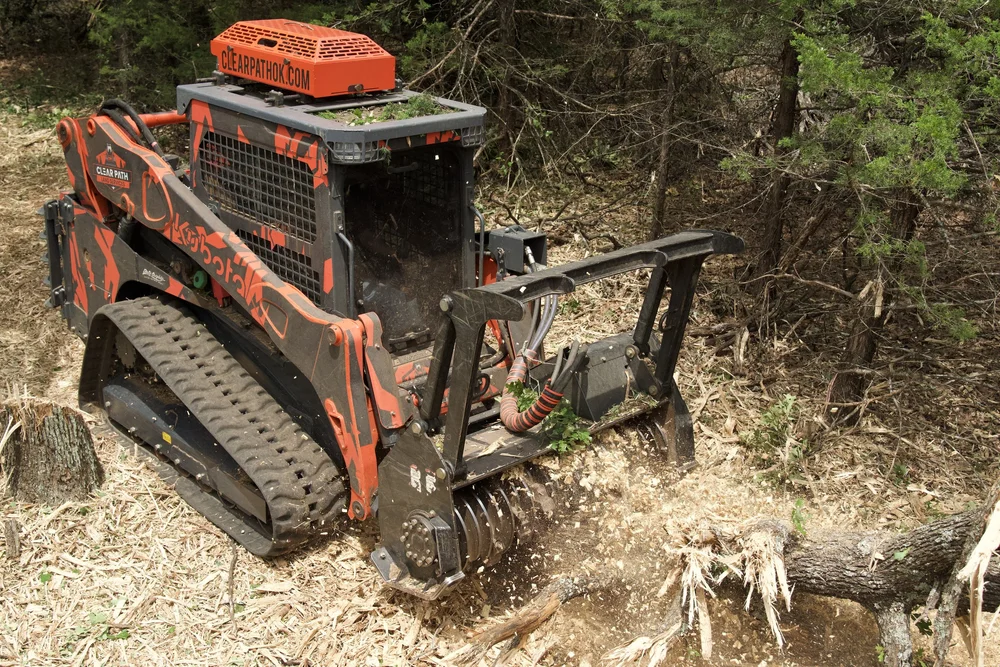
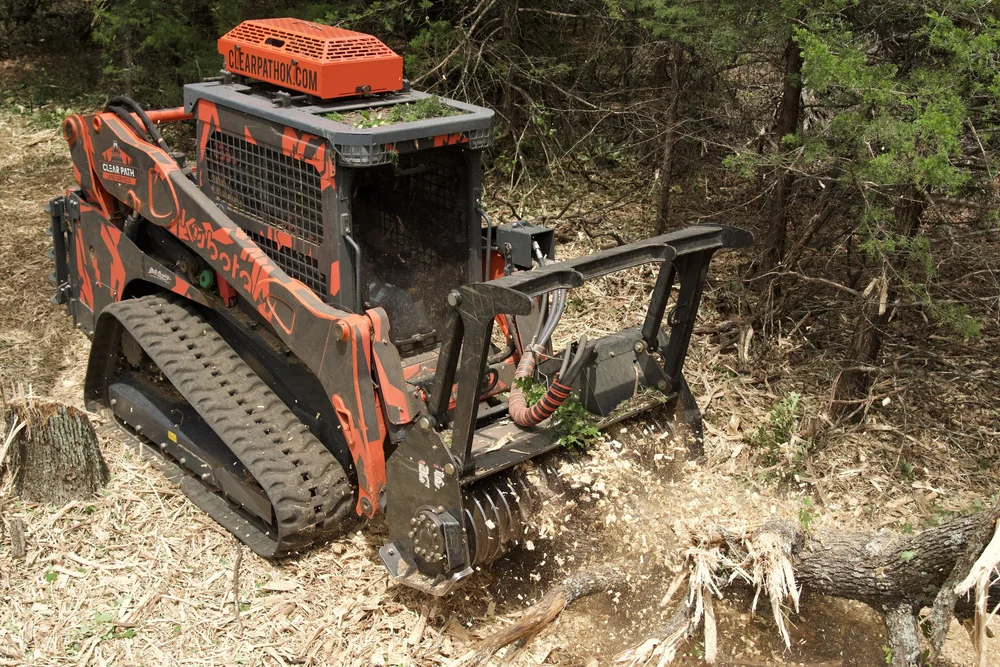
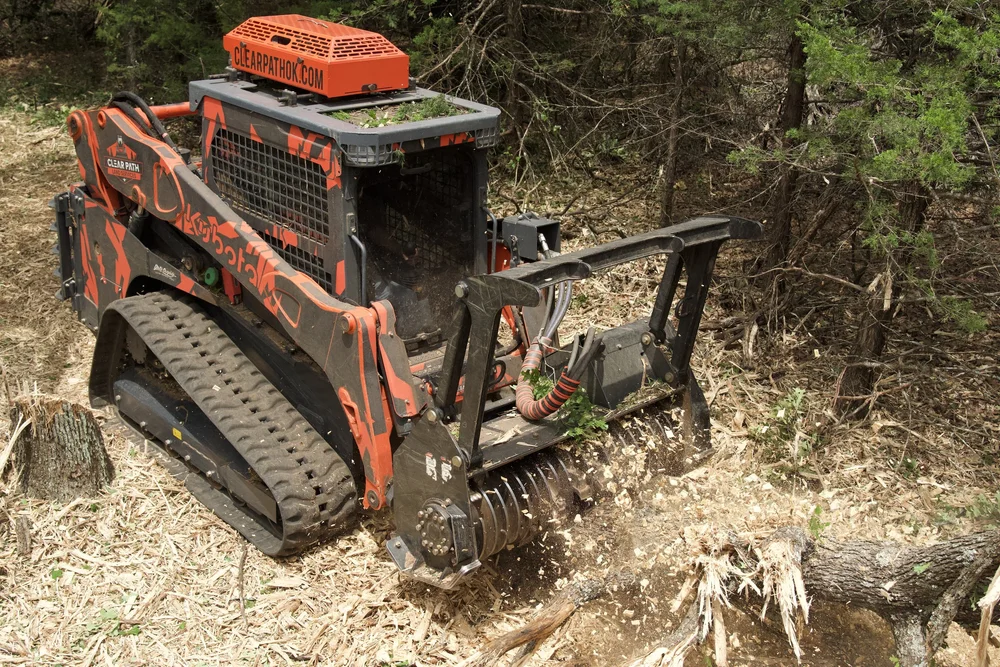
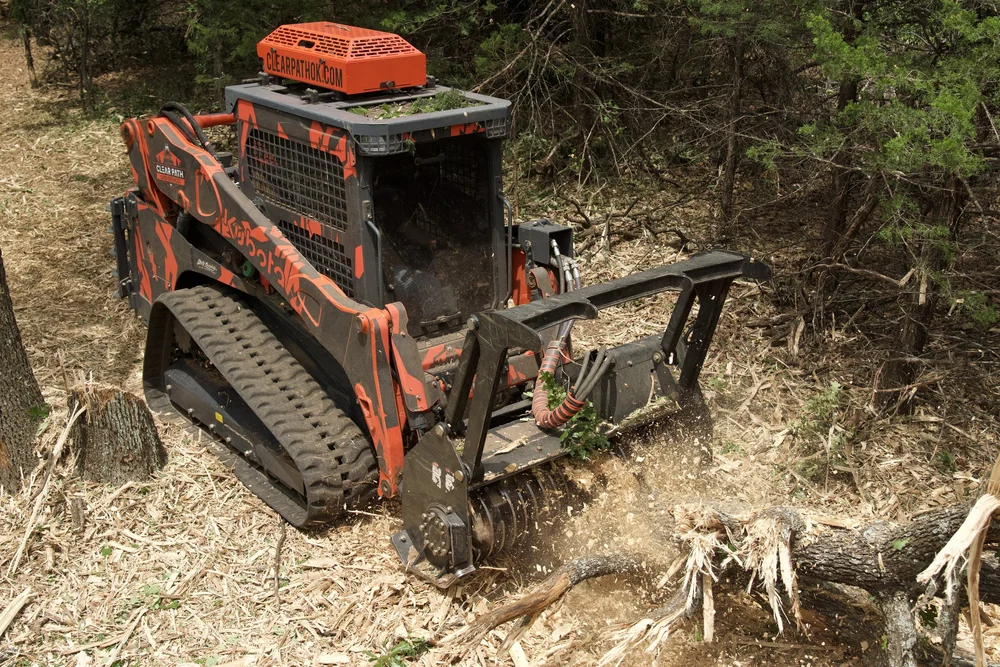
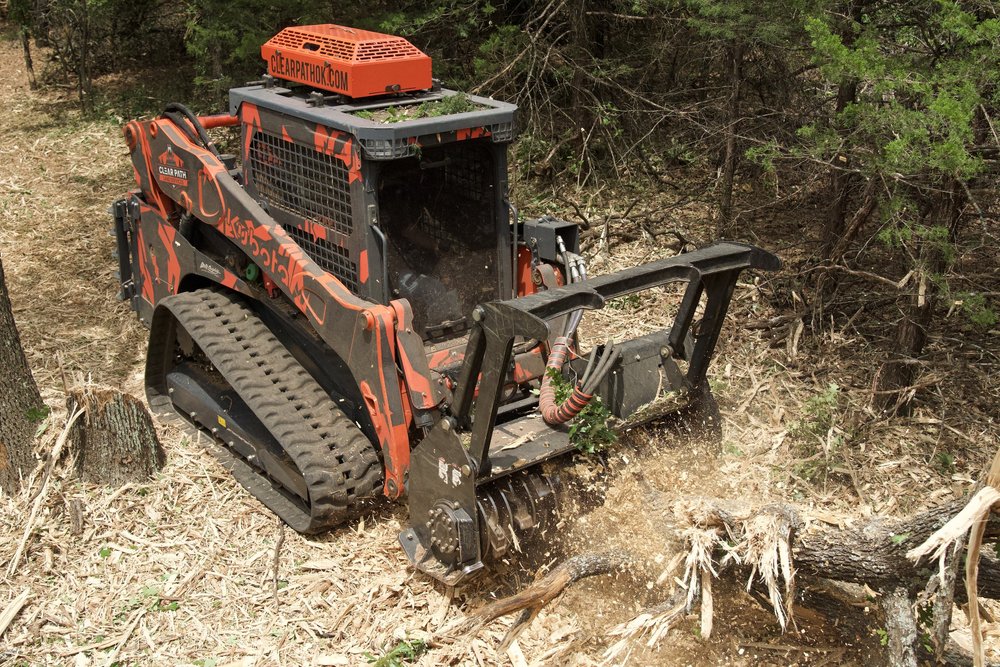
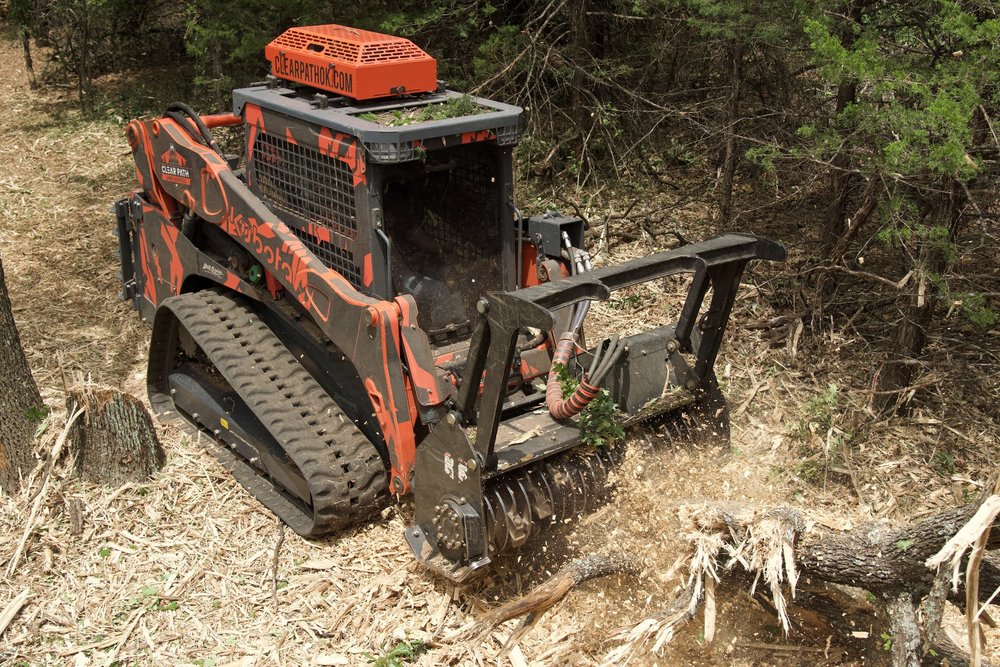
Why Forestry Mulching Is the Best Method for Pasture Reclamation
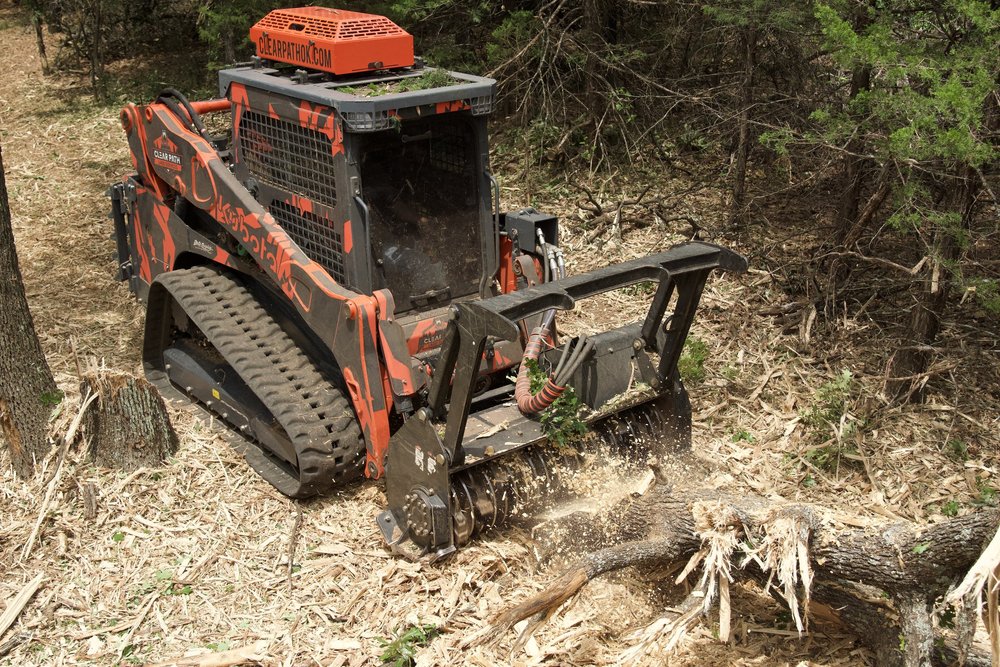
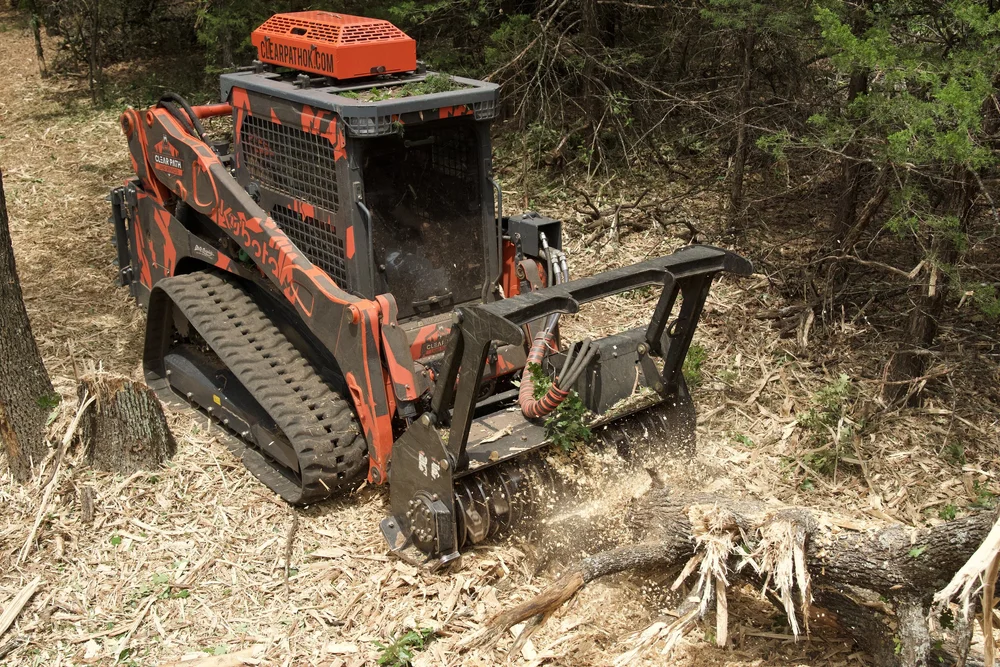
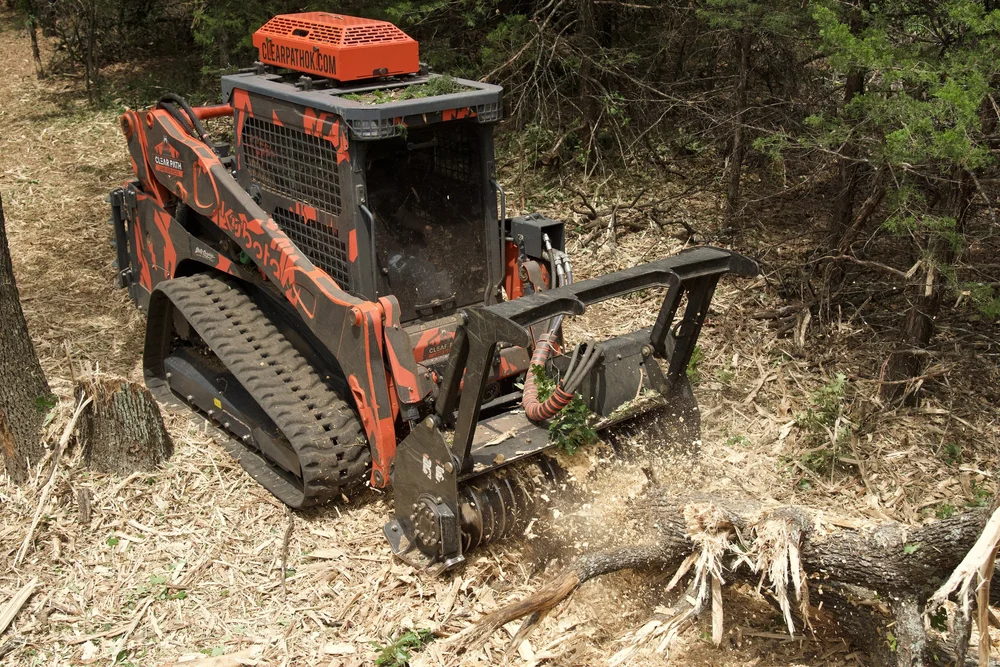
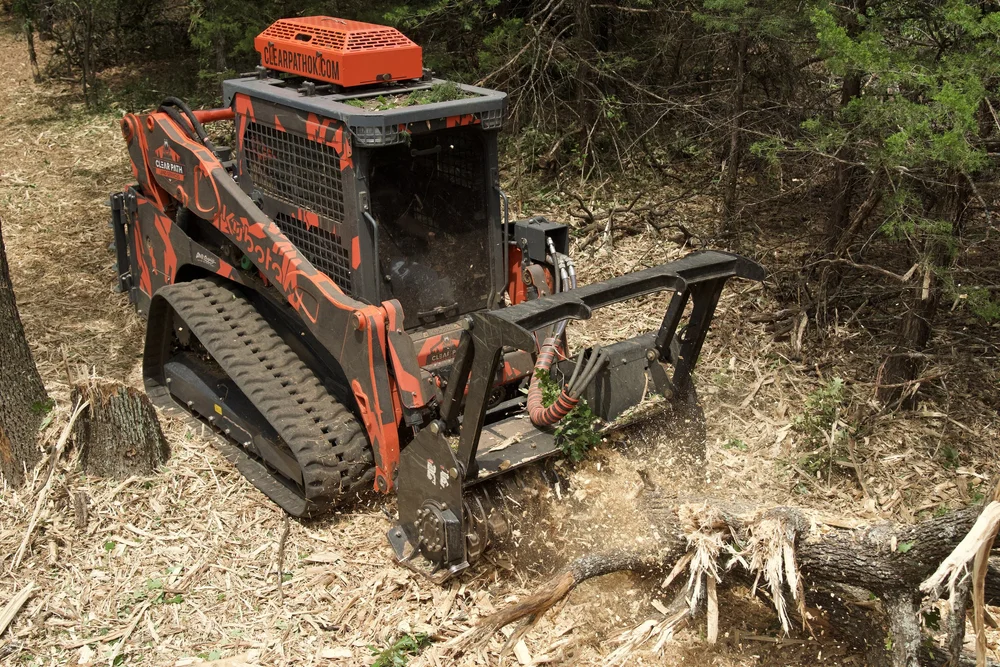
- Grinds cedar stumps to ground level — cedar does not resprout once the stump is ground below the lowest green branch
- Roots stay in the ground — holds soil intact, prevents erosion, no need for reseeding in most cases
- Mulch layer left behind decomposes and feeds the soil, accelerating grass recovery
- Works any time of year — no burn ban concerns, no waiting for dry conditions
- No debris piles — everything processed on-site, pasture is usable immediately after clearing
- Works in draws, creek banks, and rough terrain via excavator — cedar doesn't just grow in the easy spots
Common Questions
Pasture Reclamation FAQ
How much does pasture reclamation cost in Oklahoma?
Pasture reclamation with forestry mulching typically runs $1,800–$5,000+ per acre depending on cedar density, tree size, terrain, and access. Light to moderate cedar on flat ground is toward the lower end. Dense, mature cedar on rolling terrain is toward the higher end. Free on-site estimates always.
Will cedar grow back after mulching?
Cedar does not resprout from a stump once it's been ground below the lowest green branch. However, cedar seeds already in the soil can germinate over the following years. Periodic mowing, brush hogging, or a follow-up mulching pass every 3–5 years keeps cedar from re-establishing. Prevention is much cheaper than starting over.
Do I need to reseed after clearing?
In most cases, no — native grass root systems are still alive and will recover on their own once light and water are restored. In areas where cedar has been established for a very long time and native grasses have been fully eliminated, reseeding may accelerate recovery. We'll tell you honestly what we think your pasture needs during the estimate.
How long until I can graze livestock on reclaimed pasture?
You can typically graze reclaimed pasture within one growing season after clearing. Giving the grass a full season to establish before heavy grazing pressure leads to a much stronger, more productive pasture long-term.
Ready to Reclaim Your Oklahoma Pasture?
Free on-site estimate. Cole walks the property with you and gives you a straight assessment.
(405) 259-6682 Request a Free Quote →