Bulldoze & Burn vs.
Forestry Mulching
Most landowners don't know there's a better option than pushing trees into a pile and lighting them on fire. Here's an honest breakdown.
Talk to a Pro →The short answer
For most Oklahoma properties, forestry mulching is the cleaner, smarter choice. Dozing makes sense only when grading or dirtwork is already in the plan.
See the Difference
What Mulching Actually Does to Your Land
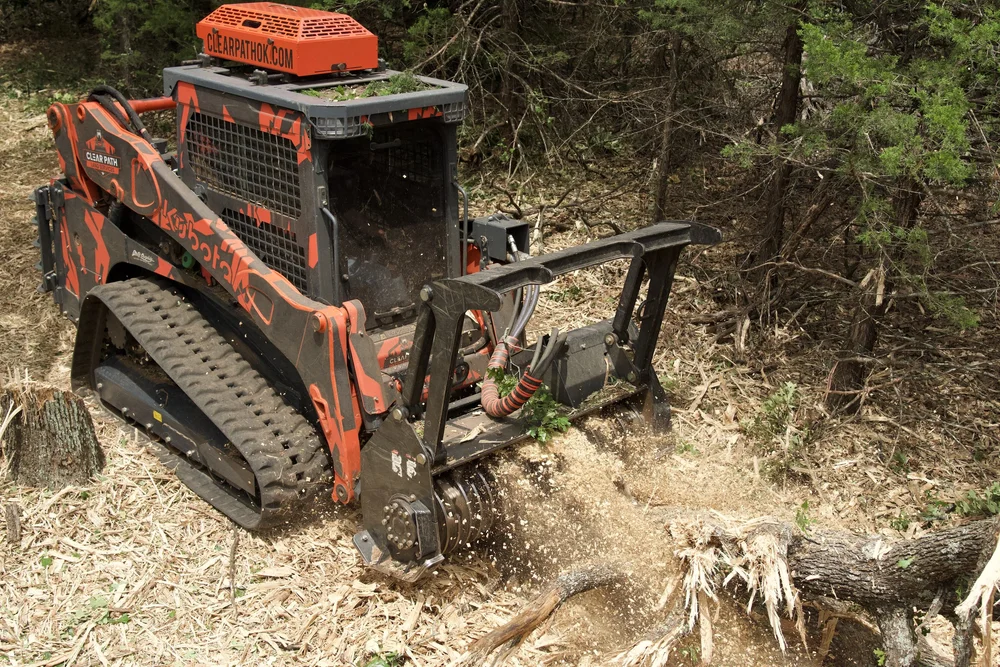
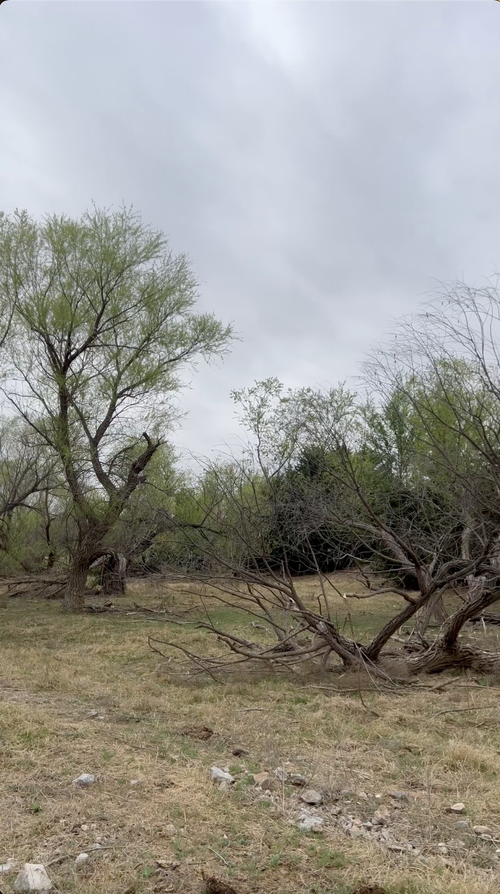
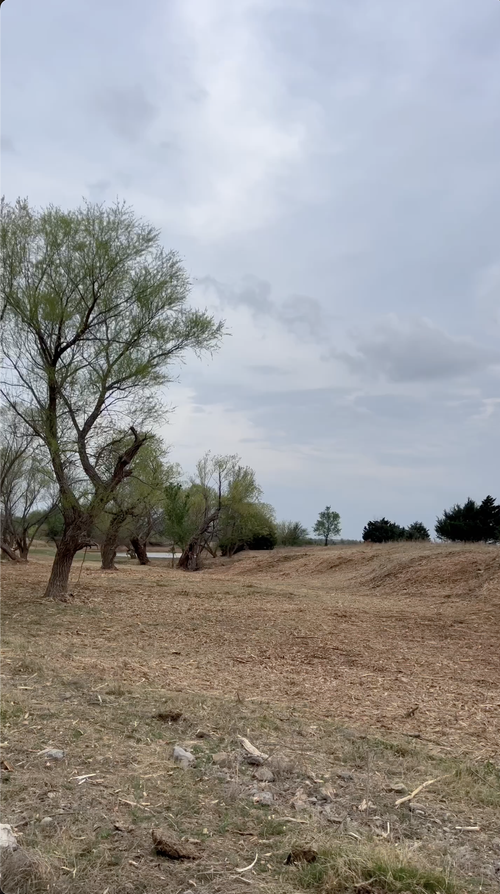
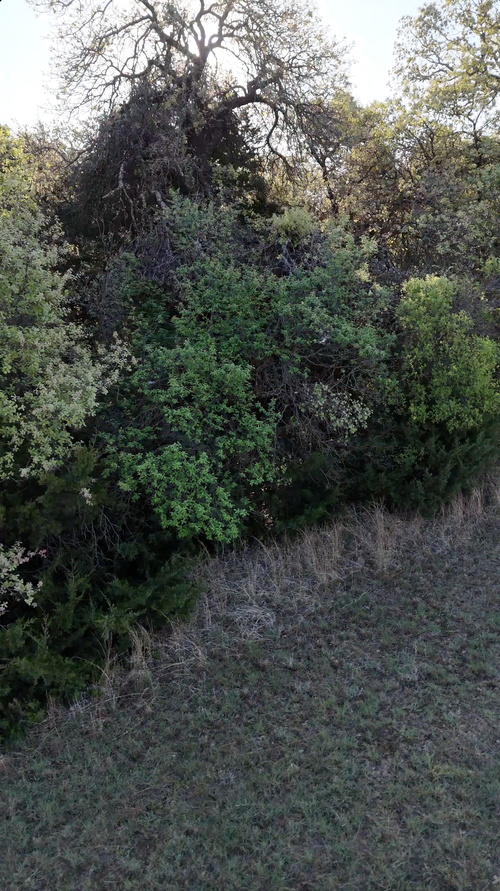
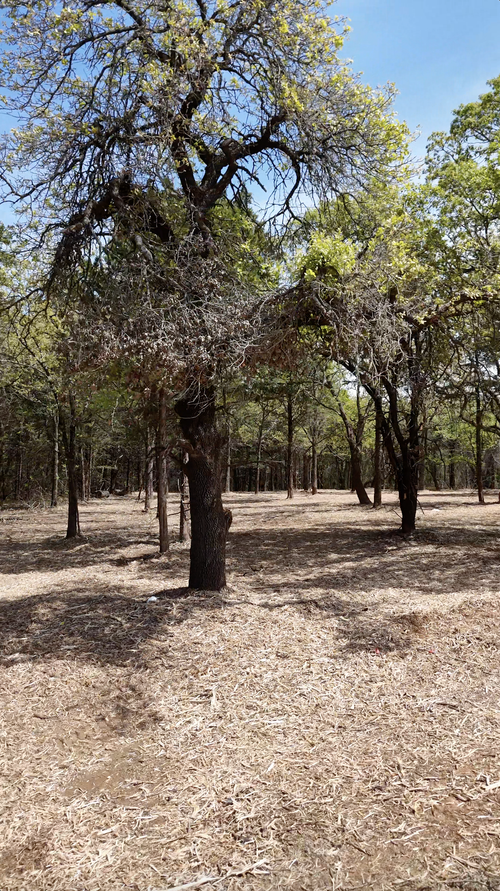
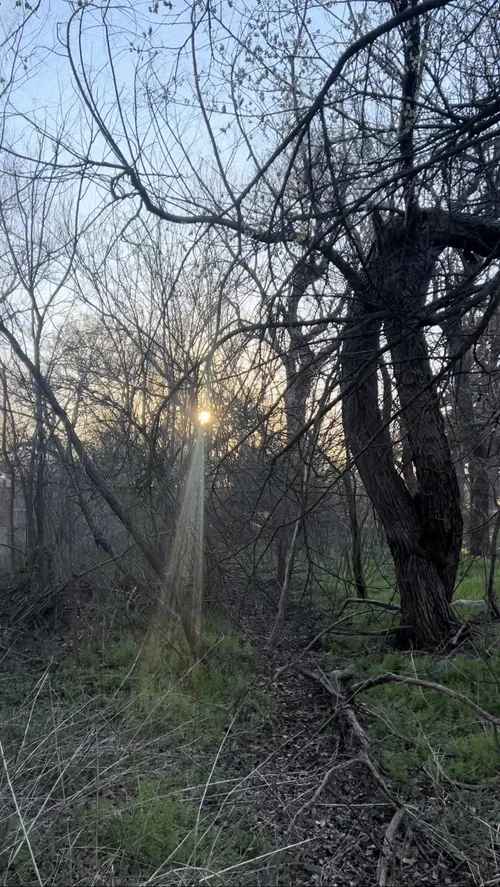
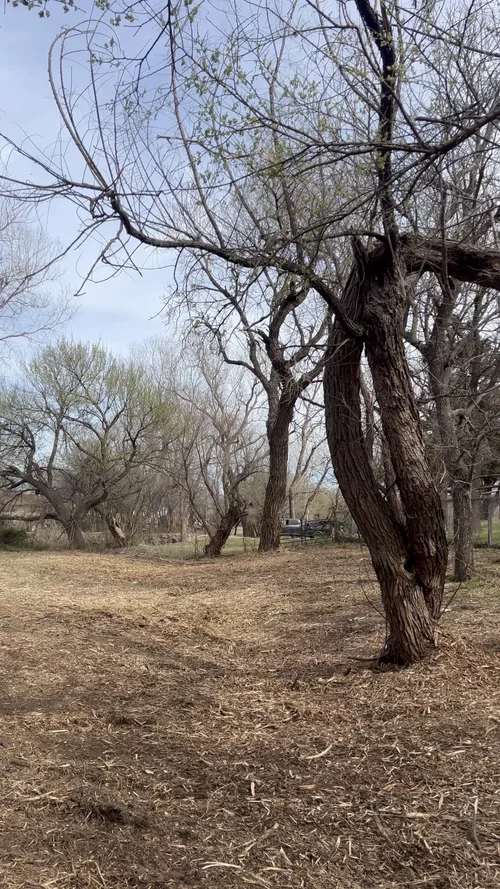
These are real before and after results from Clear Path jobs across central Oklahoma.
Head to Head
Bulldoze & Burn vs. Forestry Mulching at a Glance
← Scroll to compare →
| 🚜 Bulldoze & Burn | 🌿 Forestry Mulching | |
|---|---|---|
| What happens | Trees pushed into piles — dirt comes with them and won't burn. Leaves a mess. | Everything ground up in place. Stumps flushed to ground level. Clean result. |
| Mess left behind | Large burn piles full of dirt — overwhelming for most customers You deal with it |
Mulch layer on the ground — no piles, no hauling Done and done |
| Root removal | Yes — dozer pulls roots when pushing trees | Roots stay in ground by default — root pulling available as a separate add-on service |
| Erosion control | Disturbs soil — may trigger local ordinance requirements | Roots hold soil intact — no erosion control needed, no ordinance involvement |
| Ground disturbance | High — dozer tears up topsoil | Low — machine grinds above ground, soil stays largely undisturbed |
| Best for | When grading, a house pad, or driveway work is already planned | Everything else — pasture, acreage, fence lines, timber, hunting land |
| OK Burn Bans | Can delay or cancel the job entirely | No restrictions, any time of year |
Detailed Breakdown
The Real Difference Between the Two Methods

🚜 Bulldoze & Burn
- Makes sense when grading is already planned
- Good for house pads and driveway cuts where dirtwork follows
- Bulldozer pushes dirt into the pile — dirt doesn't burn
- Leaves behind massive, messy piles customers have to deal with
- High soil disturbance — tears up topsoil
- Burn bans can delay or shut down the job
- Fire risk, smoke, liability if it escapes
🌿 Forestry Mulching
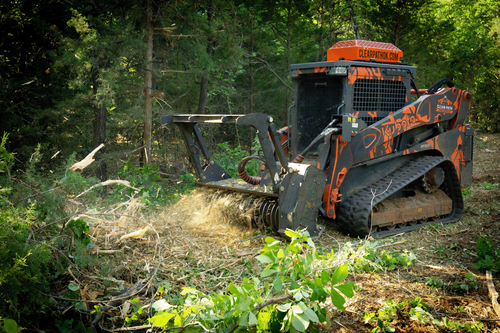
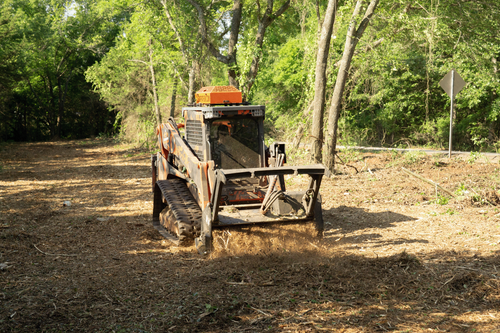
- Grinds everything above ground — no piles, no mess
- Stumps flushed to ground level, roots stay intact below
- Roots hold soil — no erosion control required
- No burn bans, no fire risk, no smoke
- Works any time of year
- Works around fences, structures, water features
- Root pulling available as add-on (see below)
The Problem Nobody Talks About
Why Bulldoze & Burn Leaves a Mess
Most landowners don't realize this until after the dozer leaves.
When a bulldozer pushes trees into a pile, it also pushes dirt into that pile. Dirt doesn't burn. So when you torch those piles, what's left is a massive mound of half-burned debris and compacted soil — and that's your problem to deal with. On most properties, it's overwhelming.
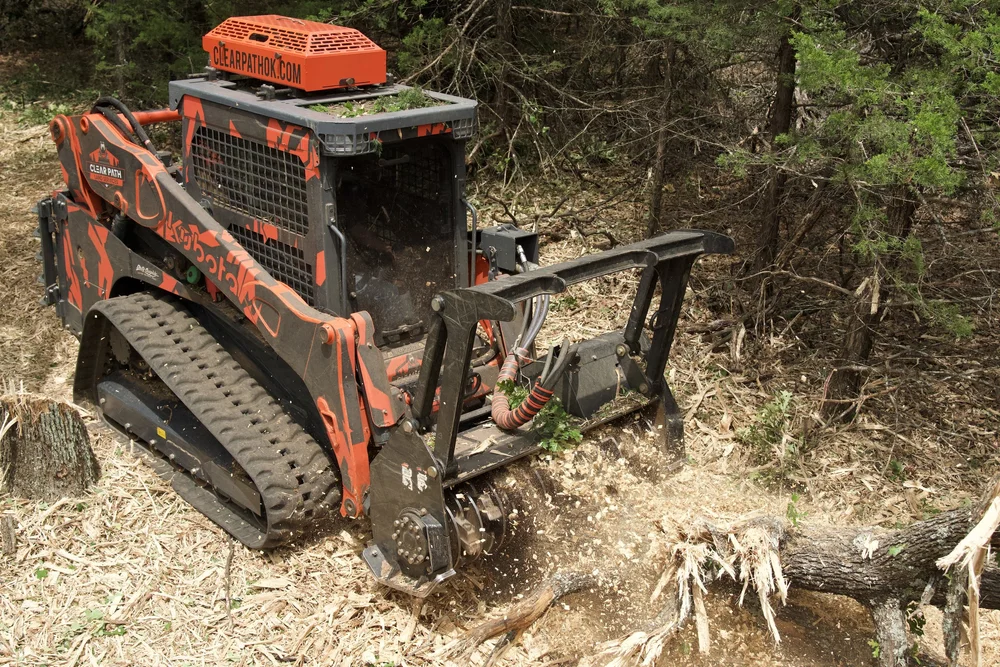
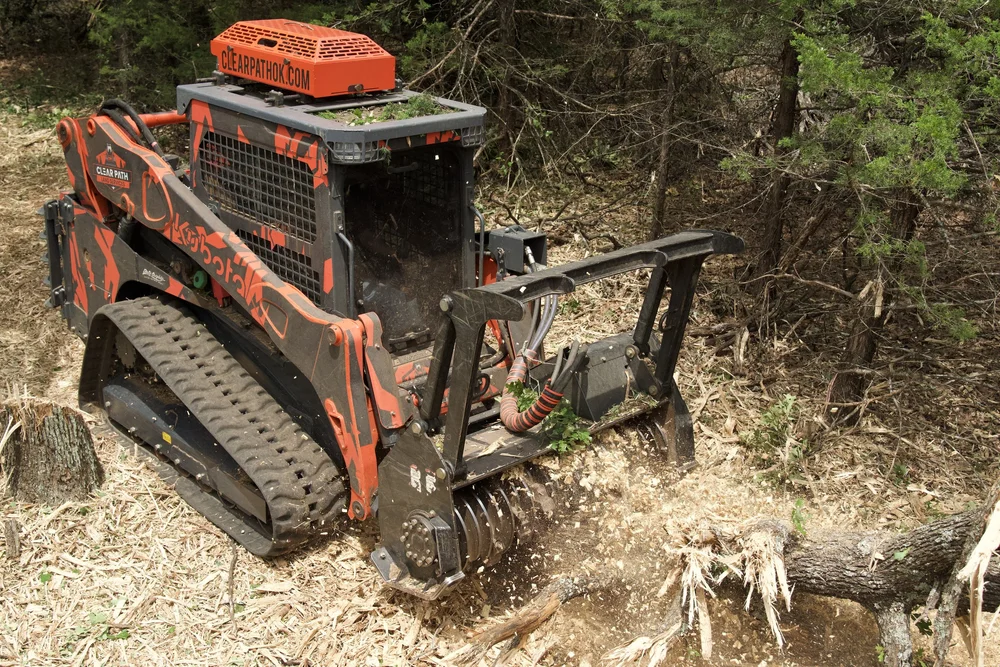
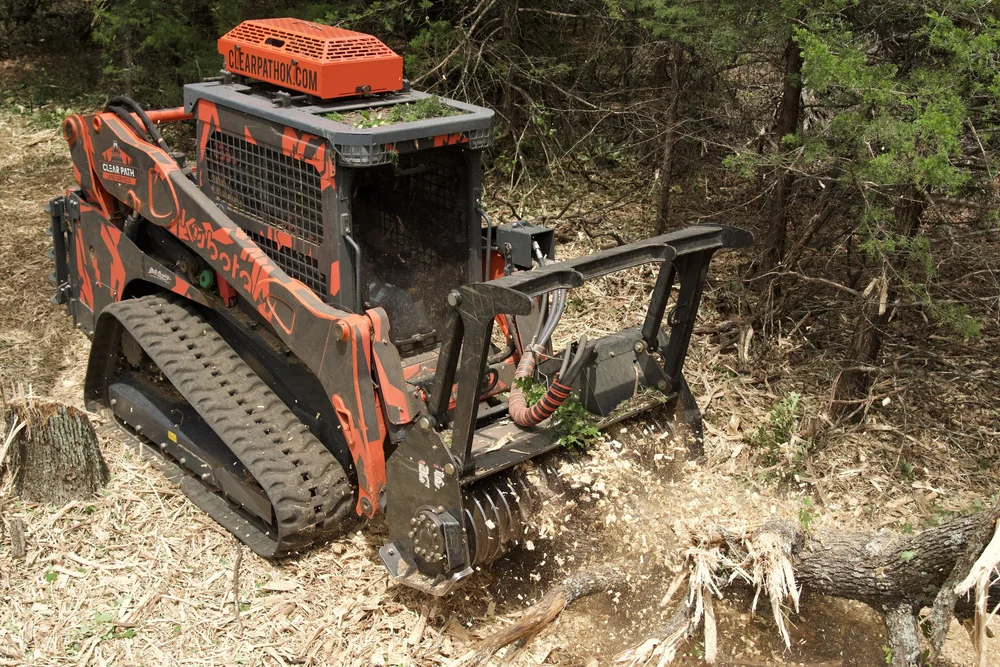
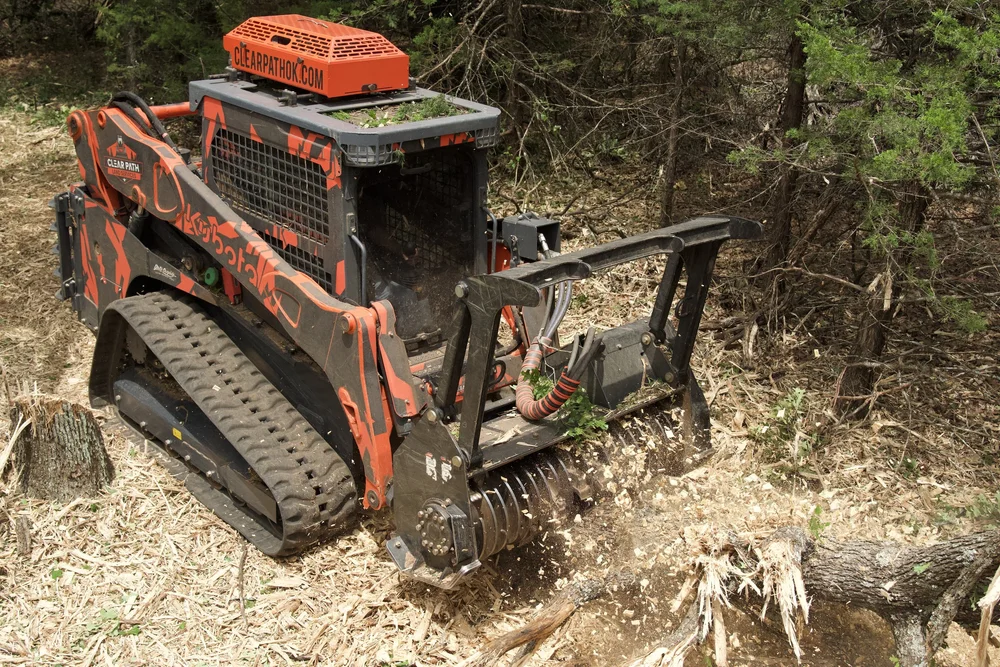
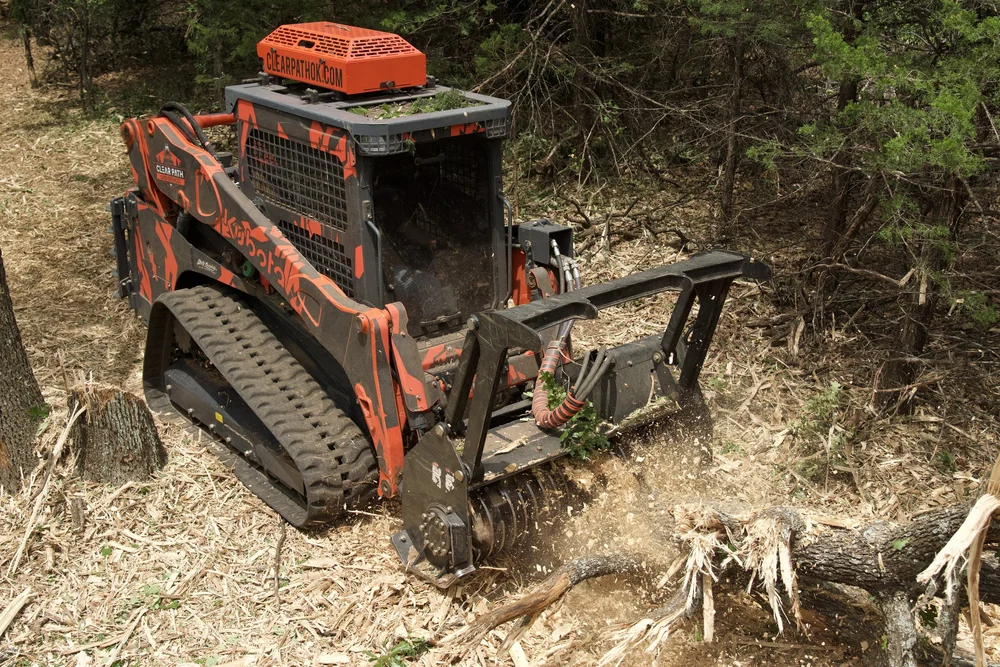
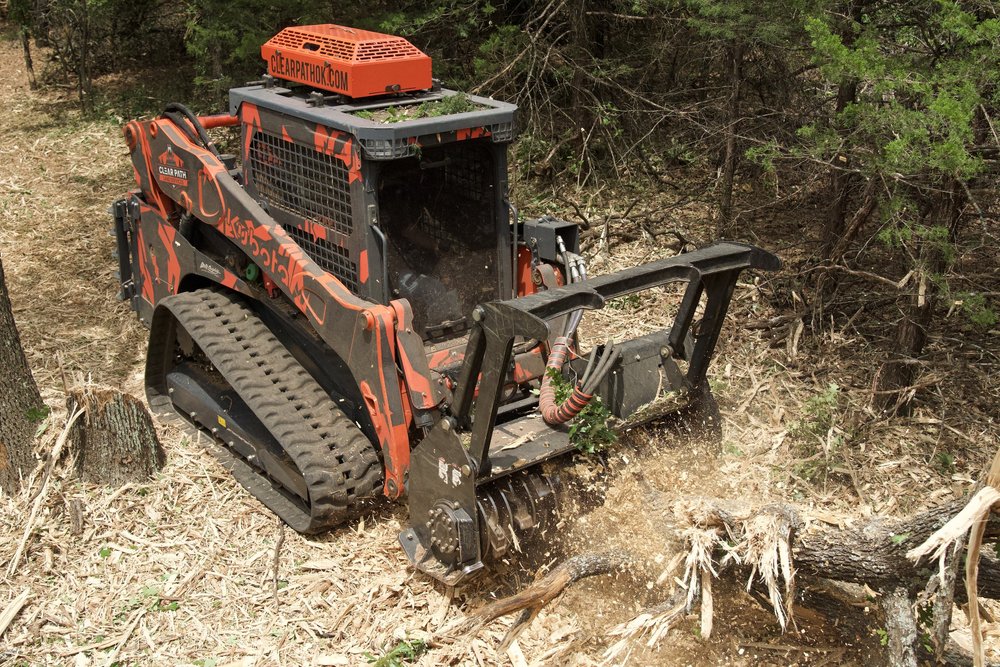
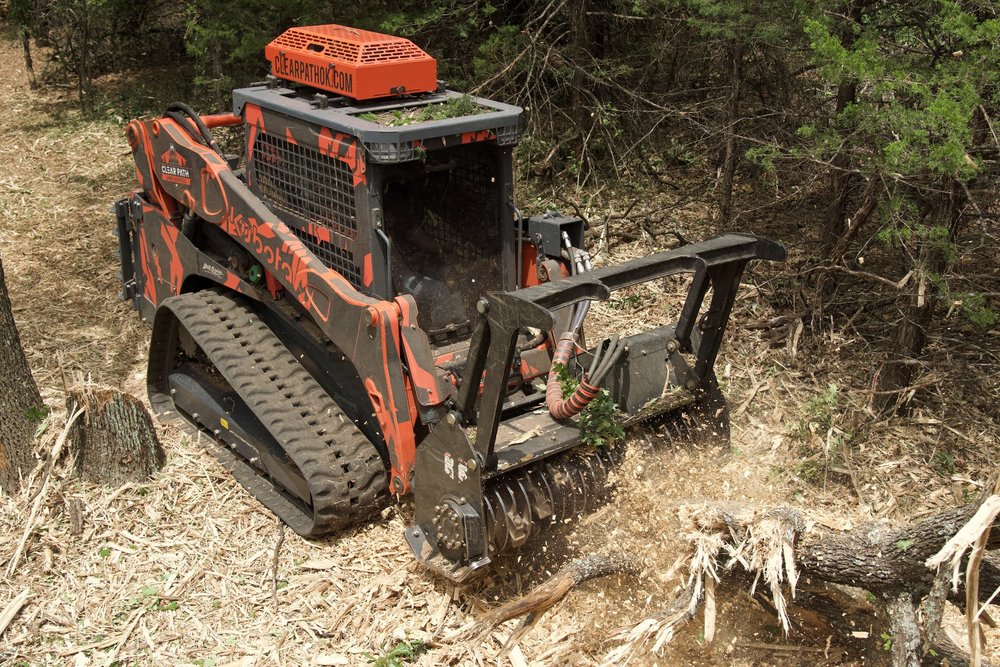
With mulching, everything is chewed up in place.
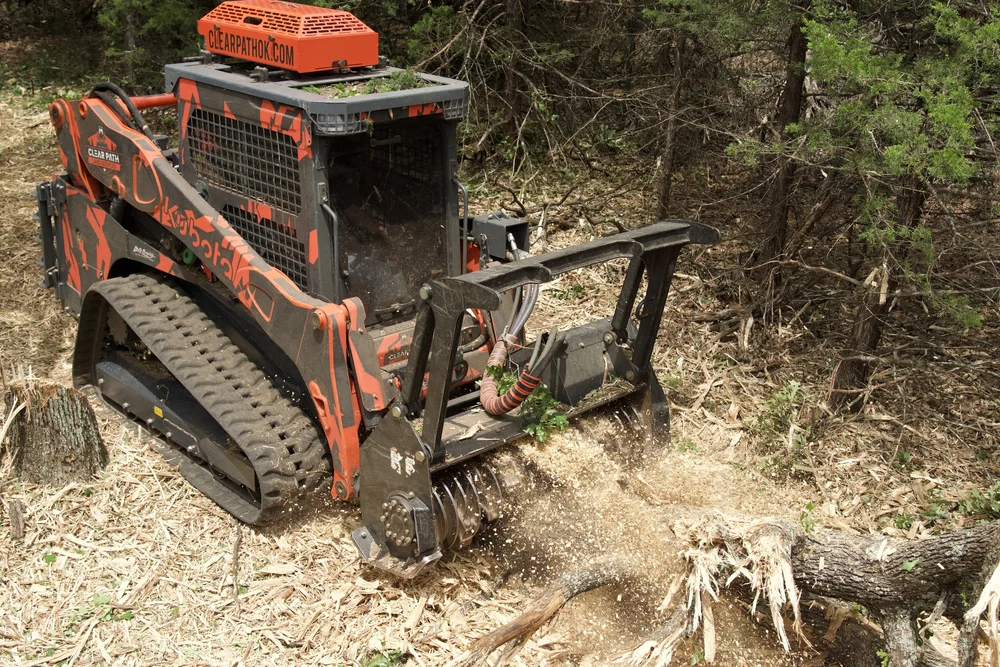
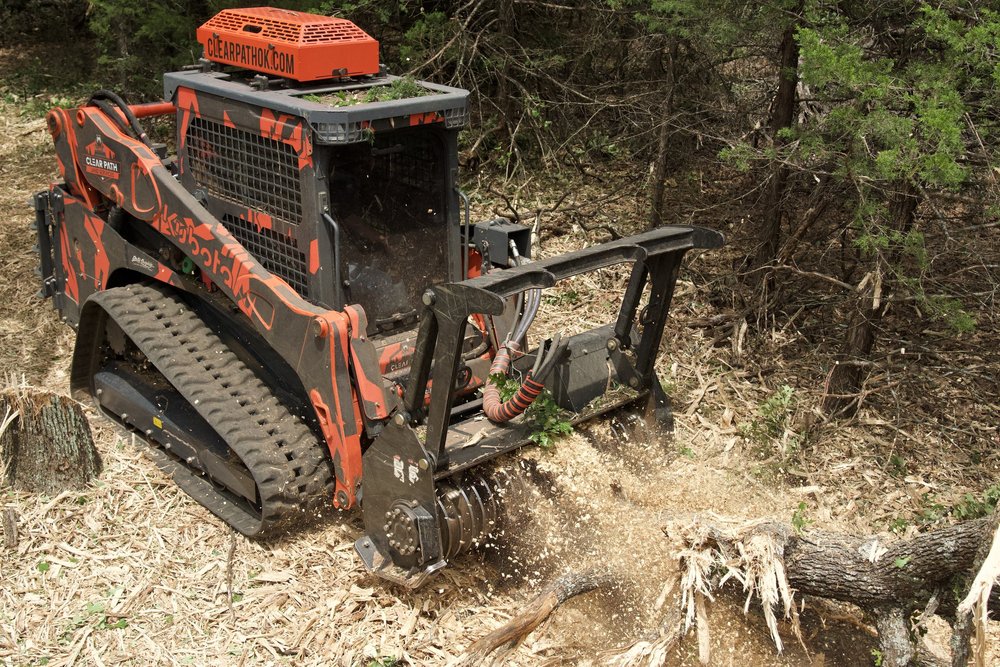
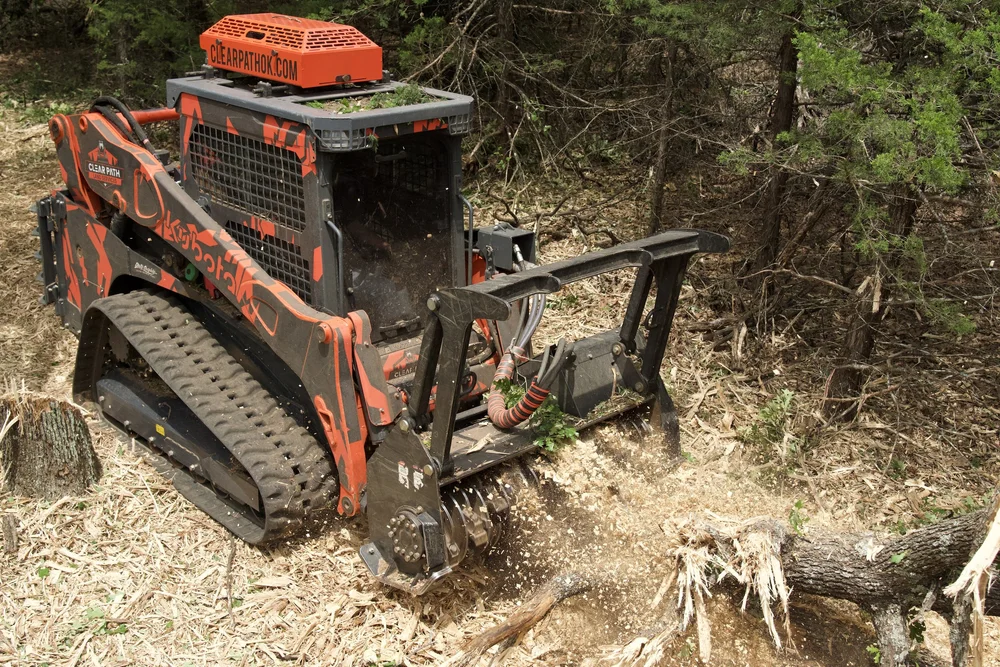
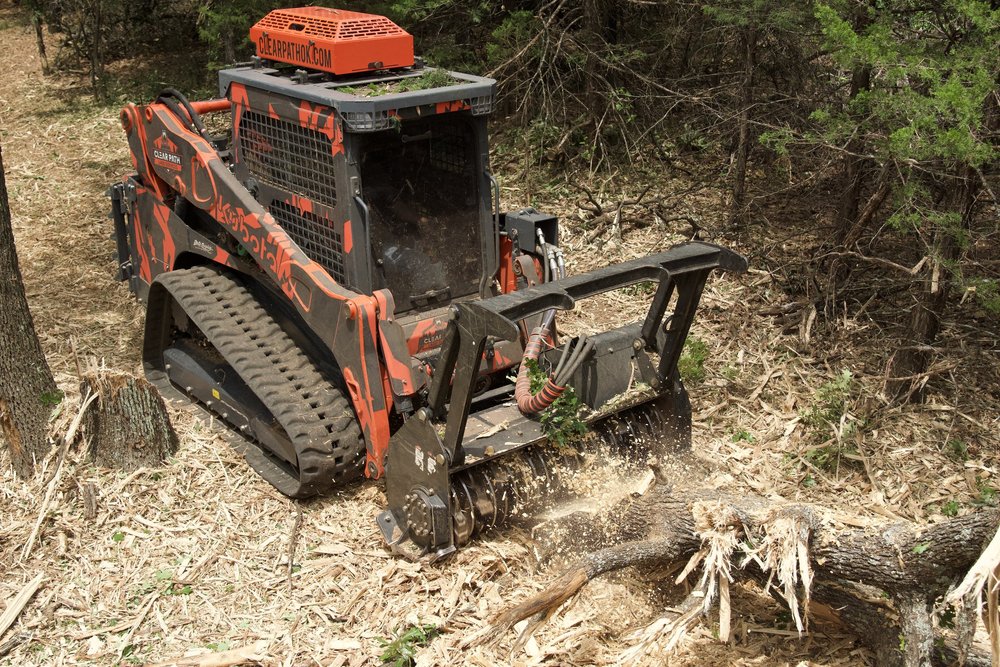
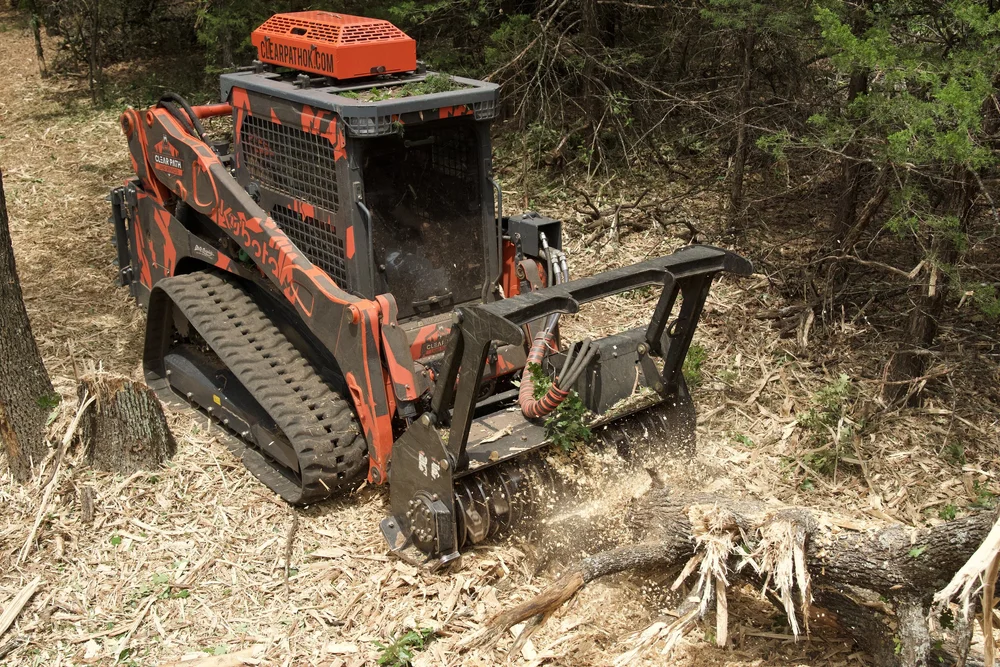
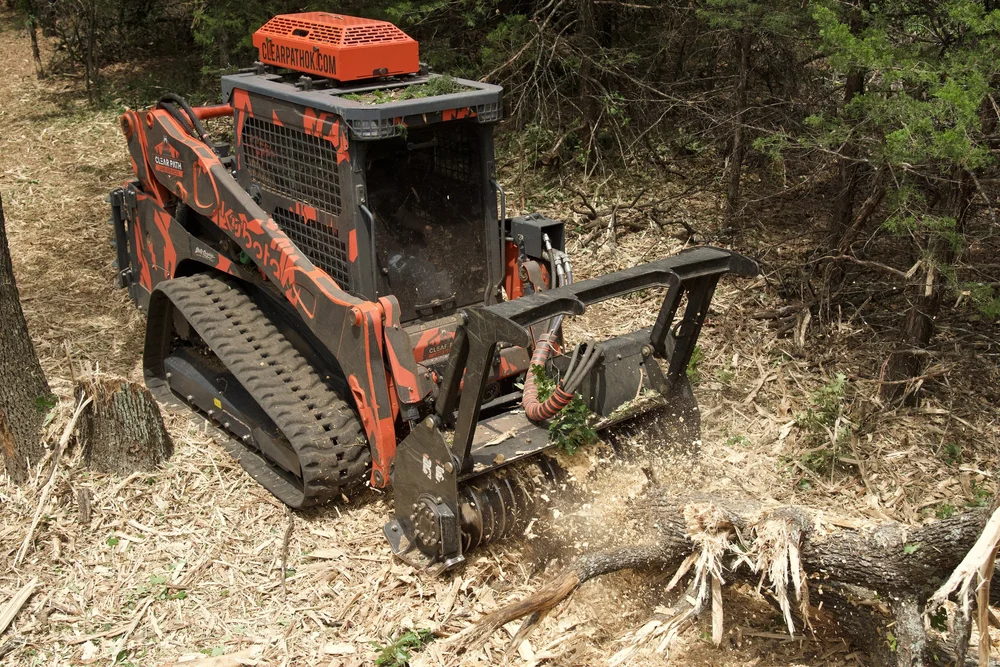
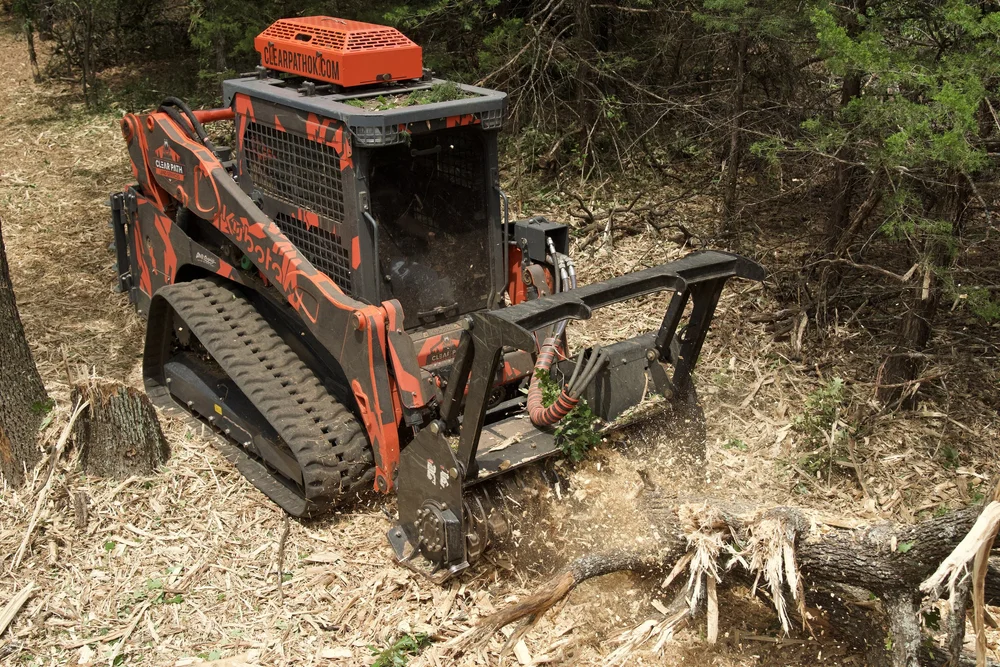
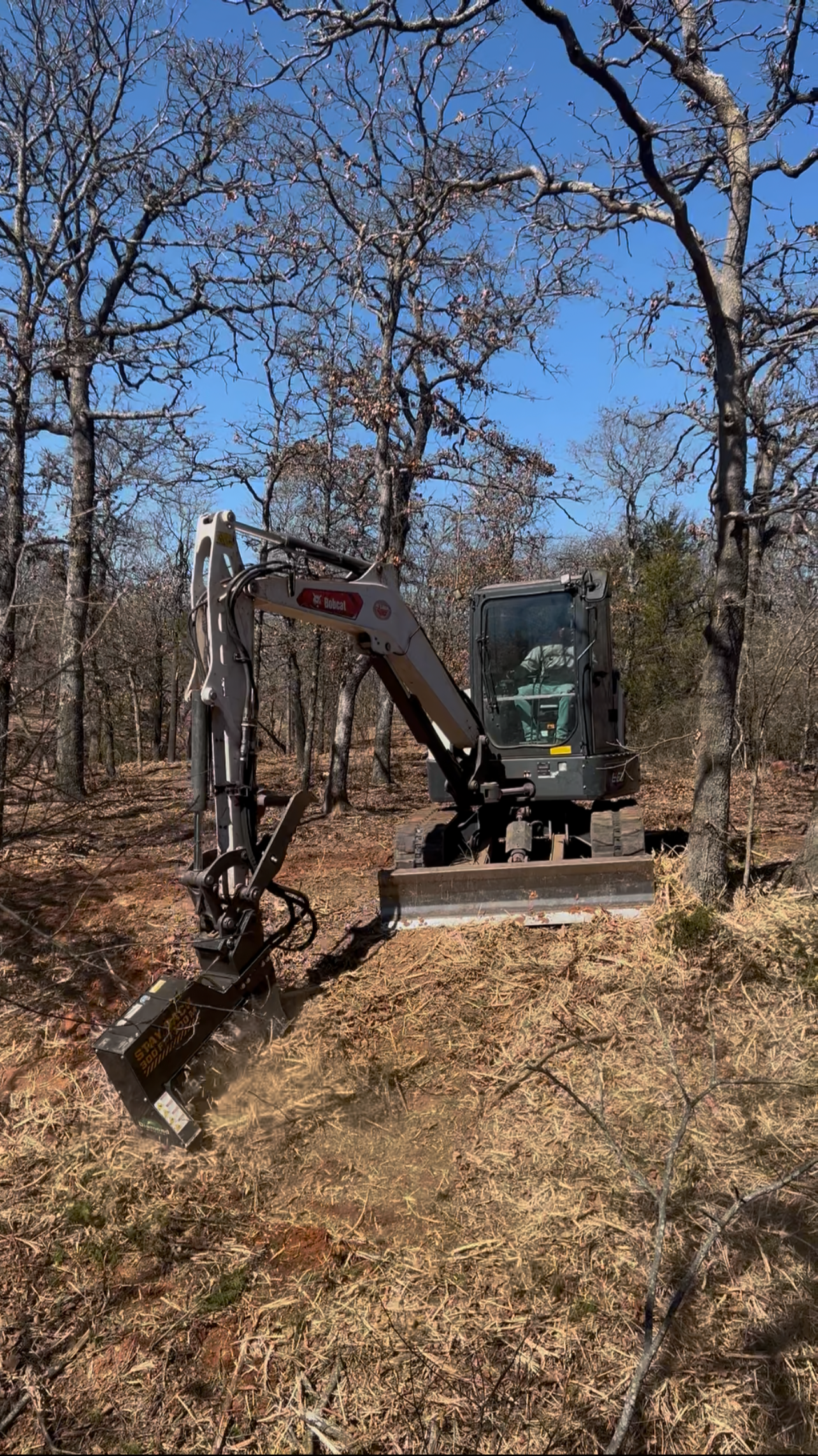
The forestry mulcher grinds the entire tree — trunk, limbs, brush — right where it stands. Stumps get flushed to ground level. What's left is a layer of mulch on the ground. No piles. No hauling. No mess waiting for you.

This is what a landowner is left with after bulldozing. The dirt in that pile doesn't burn — so it stays.
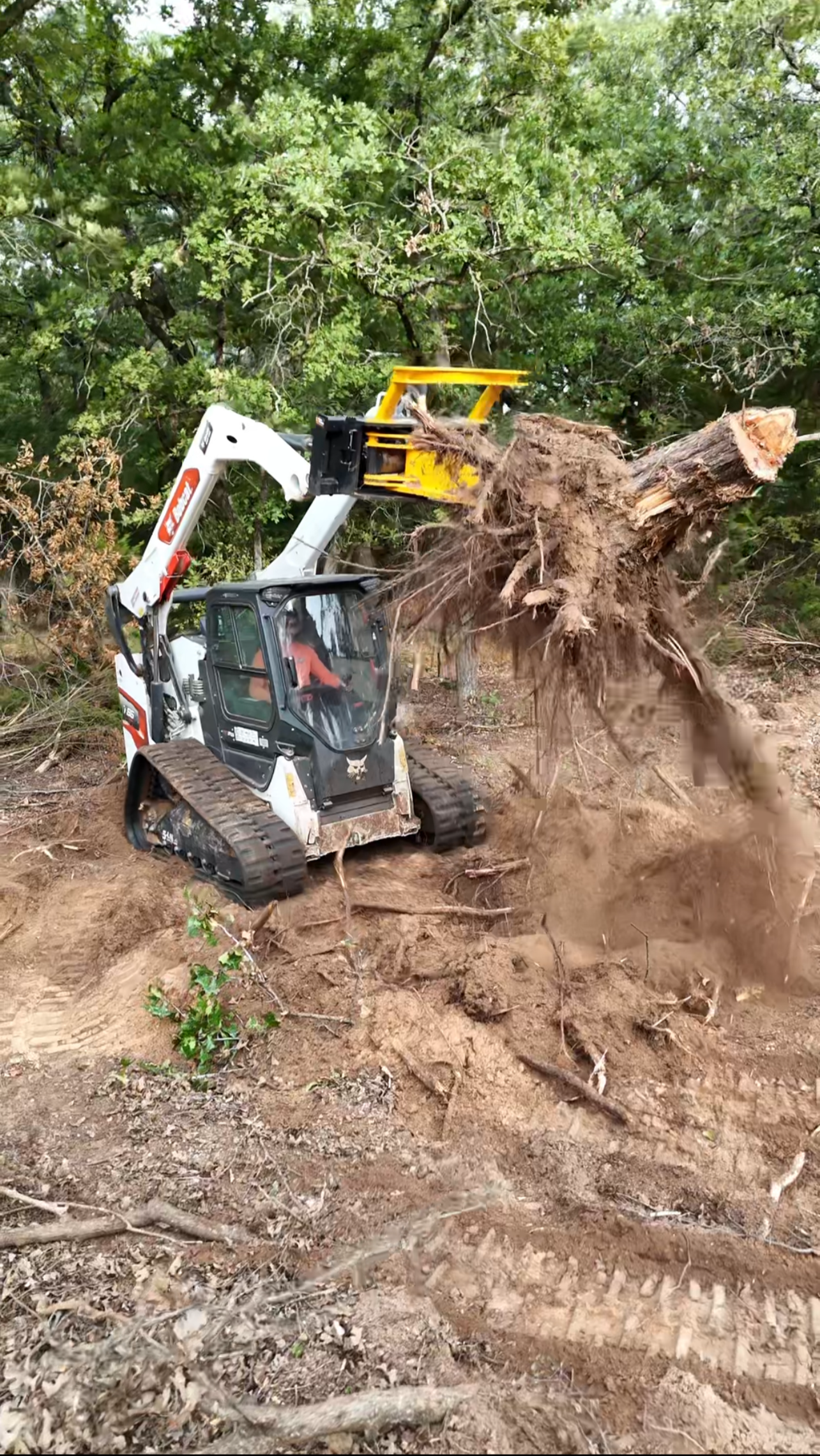
Dozing makes sense when grading, a house pad, or a driveway cut is already in the plan — because the dirtwork that follows cleans up the mess. But in every other scenario, mulching is the cleaner, less disruptive answer.
Add-On Service
Need Roots Out? We Can Pull Them Too.
Root pulling is a separate service — and a smarter alternative to bulldozing when roots actually need to come out.
Standard forestry mulching grinds everything above ground and flushes stumps to grade. The roots stay in the ground below — which is actually a good thing for most properties. But if you're building a house, putting in a yard, or laying a driveway, you may need roots removed first.
Root pulling + mulching = the cleanest possible result.
We pull the roots first, then mulch everything — the trees, the brush, and the pulled root balls. Much less ground disturbance than a bulldozer, and no giant dirt piles left behind. Recommended for house sites, yard areas, and driveway paths.
And here's the other reason roots-in-ground is actually beneficial for most jobs: roots hold the soil intact. That means no erosion control is required after the job. When a bulldozer tears up the topsoil, local ordinance often requires erosion control measures before you can move on. Mulching sidesteps that entirely — the roots keep everything in place, and the local ordinance stays out of it.
Decision Guide
When to Doze vs. When to Mulch
🚜 Bulldoze & burn makes sense when…
- Grading is already in the plan and dirtwork will follow
- You're building a house pad and the area will be scraped flat
- A driveway cut is being put in and the subgrade will be worked
- The mess left behind will be cleaned up by subsequent dirtwork
🌿 Mulching makes sense when…
- You're clearing pasture, acreage, or timber land
- You're putting in fences, food plots, or hunting lanes
- You want the land clean without a huge mess to deal with
- You need to avoid erosion control requirements
- You're near structures, ponds, or property lines
- You're on any timeline — no burn bans to worry about
- You want roots pulled too (add-on available)
Common Questions
Questions We Hear All the Time
Why does bulldozing leave such a mess?
When a dozer pushes trees into a pile, it scoops up dirt along with them. That dirt doesn't burn — so after you torch the pile, you're left with a mound of partially burned debris and compacted soil. It's a lot to deal with, and on most properties there's no easy way to clean it up unless you have a grading job already planned.
Does forestry mulching get the roots out?
Standard mulching grinds everything above ground and flushes stumps to grade — roots stay in the ground. For most jobs (pasture, hunting land, fence lines) that's exactly what you want. If you need roots out — for a house site, yard, or driveway — we offer root pulling as an add-on service. We pull the roots first, then mulch everything including the pulled root balls.
Why don't I need erosion control after mulching?
Because the roots are still in the ground holding the soil intact. Mulching only works above the surface — the ground stays undisturbed below. That means there's no erosion risk, no need for silt fences or hay bales, and no local ordinance involvement. A bulldozer tears up the topsoil, which often triggers erosion control requirements before you can move forward.
When would you actually recommend bulldozing?
When grading is already in the plan. If you're building a house pad, putting in a driveway, or doing significant dirt work — the dozer makes sense because the dirtwork that follows will clean up the mess. In every other situation, mulching gives you a cleaner result with less disruption to the land.
Does the mulch left behind cause any problems?
No — it actually helps. The mulch layer holds moisture, slows weed regrowth, and breaks down into organic matter over time. It doesn't attract pests in any meaningful way, and it won't interfere with reseeding or future land use.
Not Sure What Your Land Needs?
We'll come out, walk your property, and give you a straight answer — no pressure, no charge.
(405) 259-6682 Request a Free On-Site Visit →